







Search Results for: Ceramic Roaster
From Green Beans to Rich Aroma: A Complete Guide to Coffee Roasting Principles, Home Wire Mesh Roasting, and Ceramic Roasters
The soul of coffee flavor is often determined at the roasting stage. This article systematically sorts out the basic principles of coffee roasting—how green beans are transformed by high heat into roasted beans with a balance of acidity, bitterness, and sweetness—and explains in detail the most economical home mesh-skimmer roasting method: the complete steps and time references from dehydration, first crack, to second crack. It also introduces a ceramic roaster that makes temperature control easier and its operating parameters. The article also recommends Front Street Coffee's everyday drinking bean series, suitable for enthusiasts who want to try roasting at home. Whether you are a beginner just getting started or a seasoned connoisseur looking to refine your skills, you can find practical key points in it. [more…]
Full Chinese transcript of 2017 World Brewers Cup champion Wang Ce's performance and a review of past champions
It has been some time since the 2017 World Brewers Cup came to a close, and many coffee enthusiasts have left messages asking about champion Chad Wang's competition script and its Chinese translation. To address this, we have compiled this complete Chinese translation of his presentation, along with a review of past champions. On the stage in Budapest, Chad Wang used Panama 90+ Geisha Estate #227 batch coffee beans as his medium, and through a carefully designed brewing regimen, he eloquently narrated the "connection" between coffee, barista, and customer. From terroir and processing methods to roast profiles, brewing parameters, and tasting guidance, the entire presentation was logically clear and emotionally sincere. Front Street Coffee particularly recommends paying attention to the details in the text regarding the ceramic V60 dripper, water quality control, and segmented tasting, as these have high reference value for daily brewing practices. [more…]
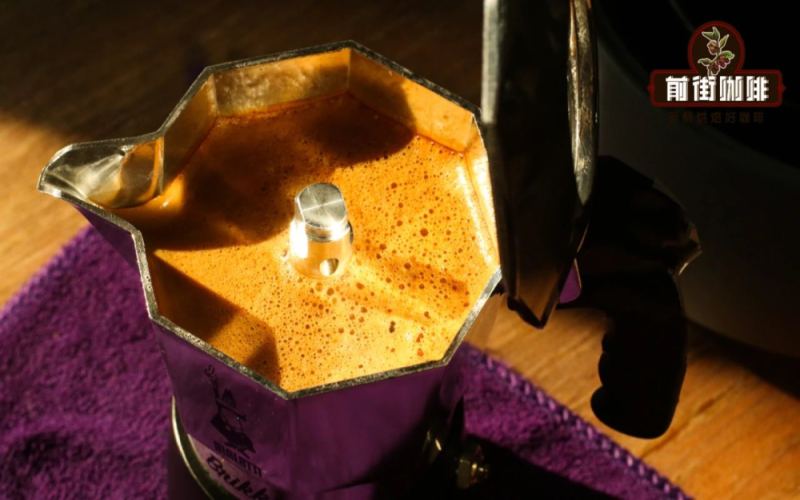
Can a Moka Pot Produce Rich Crema? Bialetti Brewing Tips and Coffee Bean Recommendations
Many coffee enthusiasts often confuse mocha coffee with the moka pot. In fact, the former is a beverage made by mixing latte with chocolate sauce, while the latter is a small, portable, and affordable espresso extraction device. The moka pot can produce coffee similar to espresso using its simple structure, and the surface often carries a layer of aromatic crema. To extract rich Crema with a Bialetti moka pot, the key lies in three points: the coffee beans must be fresh, the roast level should be medium-dark, and the grind size must be just right. This article revolves around these three elements, recommending Front Street Coffee's Classic Italian Blend, Basic Italian Blend, and Brazil Queen's Farm SOE, along with complete Bialetti moka pot operating steps to help you easily recreate café-level rich coffee at home. [more…]
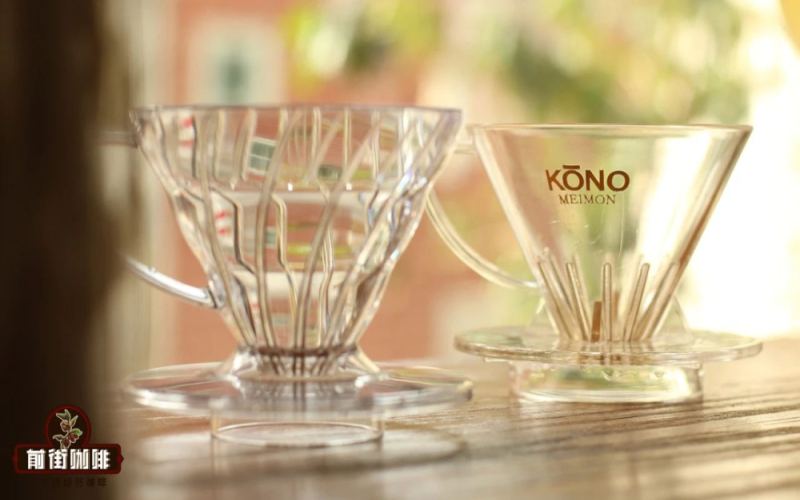
Pour-Over Coffee Equipment Guide: V60 Dripper Design Principles, Material Comparison, and Detailed Explanation of One-Pour and Three-Stage Extraction Methods
In the world of pour-over coffee, the V60 dripper is an almost unavoidable classic piece of equipment. With its conical structure, large aperture, and spiral rib design, it can accommodate a variety of roast levels and brewing techniques, making it the dripper choice unanimously recommended by Front Street Coffee baristas. This article will start from the three major design elements of the V60, analyze its extraction principles, compare the heat retention and price differences among resin, ceramic, and glass materials, and explain in detail key parameters such as grind size, water temperature, and coffee-to-water ratio. Finally, using Front Street Coffee Costa Rica Strawberry Candy coffee beans as an example, it will provide a hands-on comparison of the flavor presentation differences between the one-pour and three-stage brewing methods, helping coffee enthusiasts find a brewing method that suits them. [more…]

Moka Pot Tutorial with Diagrams | How to Brew Espresso-Style Black Coffee at Home with a Moka Pot? Recommendations for High-Quality, Low-Acidity, Sweet-Finish Coffee Beans for Bialetti Moka Pots
The moka pot is a device that extracts rich coffee through heating and pressurization. It was invented in 1933 by the Italian Alfonso Bialetti, and is mainly popular in European countries, especially in its country of origin, Italy, where the vast majority of households have a moka pot at home. [more…]
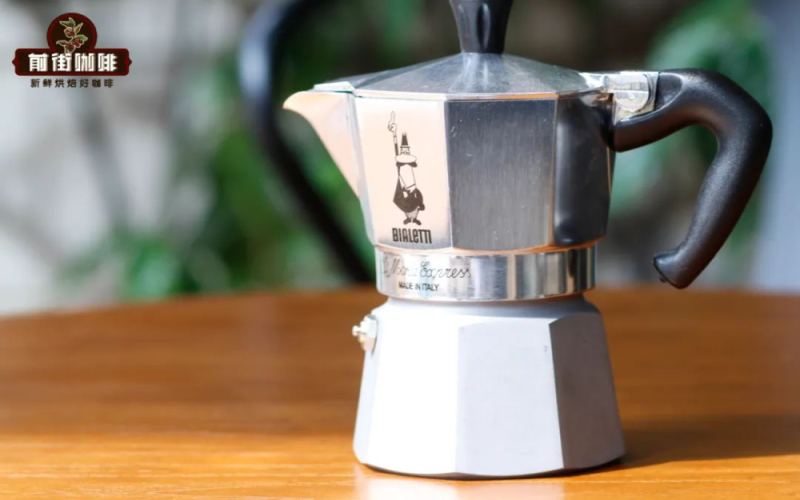
Bialetti Moka Pot Low-Acid Coffee Bean Selection and Grinding & Extraction Full Process Illustrated Guide
Since the moka pot was invented in 1933 by the Italian Alfonso Bialetti, it has been a common appliance in European households, especially in Italian kitchens. It works by heating the lower chamber to produce steam pressure, which pushes hot water through the layer of coffee grounds to extract a rich, full-bodied brew. To make a cup of coffee with a rich crema and a smooth mouthfeel using a moka pot, the freshness of the coffee beans, the choice of roast level, and the coarseness of the grind are all crucial. This article will focus on Front Street Coffee's freshly roasted specialty low-acid coffee bean recommendations for the Bialetti moka pot, the criteria for judging grind size, and the complete brewing process, providing coffee lovers with a practical guide to using the moka pot. [more…]

Essential Pour-Over Coffee Equipment | Where Did the Hario V60 Dripper Come From? What Is the Extraction Ratio for Brewing Pour-Over Coffee with a V60? What Is the Difference Between the One-Pour and Three-Pour Water-Pouring Techniques?
When asked what coffee brewing dripper Front Street recommends, the baristas at Front Street almost unanimously answer: V60! The V60 dripper's long ribs help rapidly extract flavor compounds, and its large hole poses no risk of clogging, resulting in coffee with layered complexity. Whether you're a beginner or a seasoned connoisseur, whether you want a refreshing [more…]
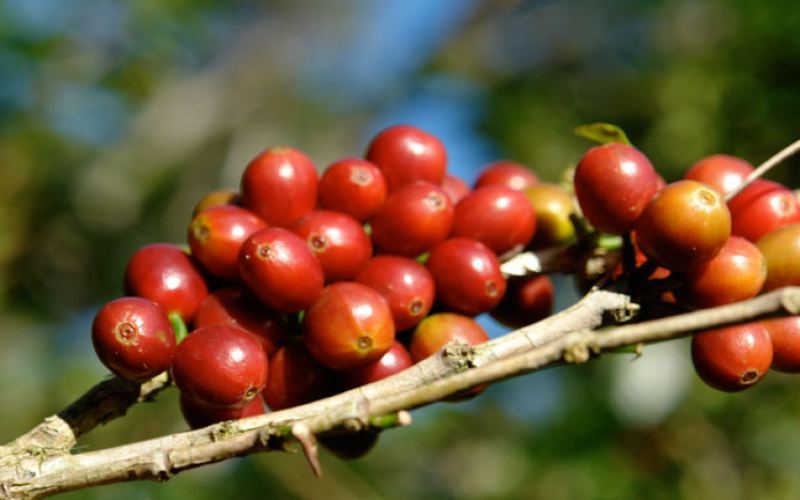
Panama Hacienda La Esmeralda Diamond Mountain Geisha Coffee Beans: Caturra and Catuai Variety Flavors, Natural Processing, and Brewing Suggestions
Front Street Diamond Mountain Coffee originates from an independent brand under Panama's Hacienda La Esmeralda, featuring Caturra and Catuai varieties grown on the Jaramillo and Cañas Verdes farms at elevations of 1,400 to 1,700 meters, with volcanic soil and shade from primary forest. This article provides a detailed introduction to the Diamond Mountain series' variety characteristics, Rainforest Alliance certification, natural processing flow, green bean appearance, roasting curve, cupping report, and brewing parameters, giving you a comprehensive understanding of this coffee that combines fruity aromas with sweetness. [more…]
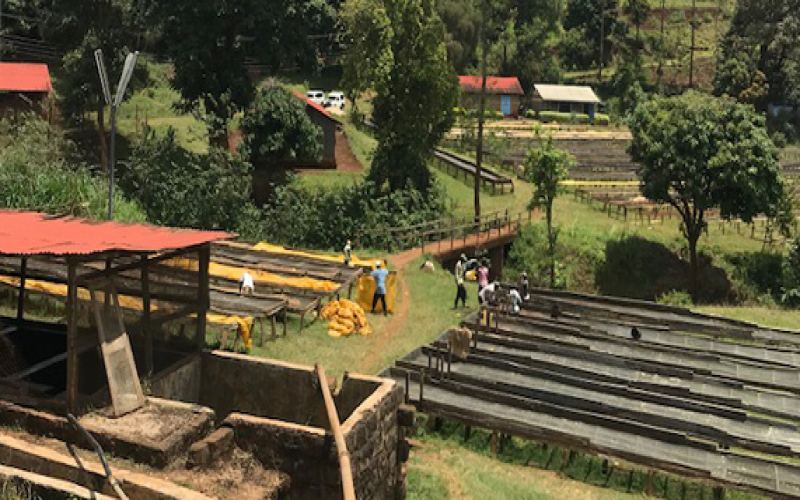
Flavor Analysis and Pour-Over Parameter Guide for Kenya Nyeri Gachatha Cooperative Coffee Beans
The Nyeri region of Kenya has long been recognized as a benchmark origin in the specialty coffee world, and the AB-grade coffee beans produced by the Gachatha Cooperative are a prime representative of it. This bean brings together the two classic varieties SL28 and SL34, and after K72 washed processing, it displays a layered complexity woven from citrus, plum, honey, and green tea. This article will, from the regional background, cooperative situation, processing method, and variety characteristics to Front Street Coffee's roasting curve, cupping data, and V60 brewing recipe, comprehensively sort out the flavor sources and extraction approach of this bean, providing coffee lovers with a practical reference for tasting and brewing. [more…]

Flavor Analysis and Brewing Parameters of Panama Casa Ruiz Estate Natural Geisha Coffee Beans
The Boquete region is one of Panama's most prestigious specialty coffee origins, and both Hacienda La Esmeralda and Elida Estate hail from here. This article focuses on the sun-dried Geisha produced by Casa Ruiz, S.A., an estate that has cultivated the terroir of Boquete since its founding in 1920 and is also a frequent winner at the Best of Panama auction. This sun-dried Geisha, sourced by Front Street Coffee, is grown at an altitude of 1,600–1,650 meters and processed using a refined natural method; in cupping it displays a complex profile of berry-like sweet acidity, tea-like floral notes, sugarcane, and orange-like citric acidity. The article will share Front Street's full roasting curve, cupping data, and a segmented pour-over recipe for coffee enthusiasts to reference. [more…]

Costa Rican Geisha Coffee Flavor Analysis: Is the Mirazu Estate Strawberry Candy Geisha Blend a Single-Origin Bean?
Geisha coffee captivates countless coffee lovers, and most people first think of Panama, but Panama's Geisha variety was actually introduced from Costa Rica. So how does Geisha perform in its "previous stop," Costa Rica? And does a Geisha blend coffee bean count as single-origin coffee? From the perspective of Front Street Coffee, this article compares the characteristics of Geisha from the two major producing regions and provides an in-depth analysis of Front Street Costa Rica Mirazu Estate Strawberry Candy Geisha Blend's variety composition, raisin honey processing method, roasting curve, cupping performance, and brewing parameters, giving you a comprehensive understanding of this distinctive Geisha blend coffee. [more…]
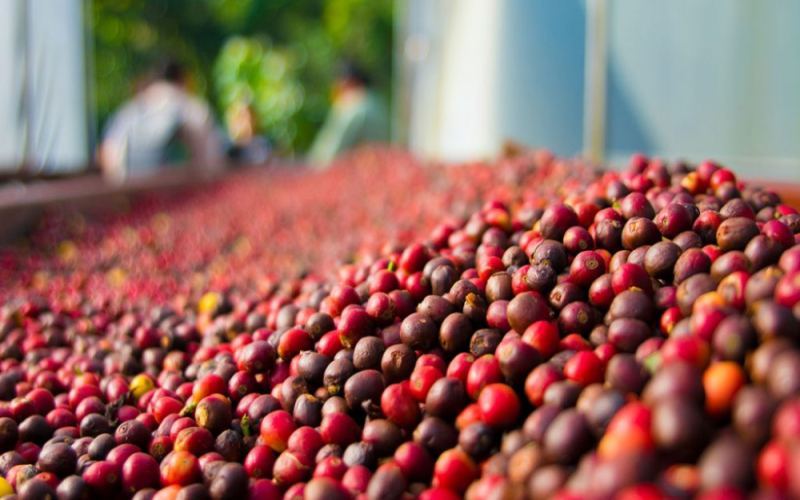
Panama Hartmann Estate Wine Process Coffee: Fermentation Craft Analysis, Catuai Variety, and Brewing Flavor
Is red wine processed coffee made by soaking the beans in red wine? Does it contain alcohol? These are common questions among many coffee lovers. In fact, this processing method borrows the fermentation logic of wine-making, rather than directly soaking coffee beans in red wine. In this article, Front Street Coffee takes you deep into the red wine processed Catuai coffee beans from Hartmann Estate in the Volcan region of Panama: from the estate's background and the variety's origins, to the specific controlled fermentation process and flavor performance. We also share Front Street's roasting curve, cupping results, and V60 staged pouring parameters to help you understand what makes this bean so unique. [more…]
Flavor Analysis of Panama Hacienda La Esmeralda Diamond Mountain Coffee Beans: Caturra and Catuai Variety Characteristics and Pour-Over Parameters
In addition to Panama's Hacienda La Esmeralda's world-renowned Geisha variety, the Diamond Mountain series is also a focus of attention for coffee enthusiasts. This article centers on Front Street Panama Diamond Mountain Coffee, providing a detailed introduction to its regional terroir, the characteristics of the two major varieties Caturra and Catuai, the natural processing method, the appearance characteristics of the green beans, the roasting curve records, and the cupping flavor performance, along with Front Street baristas' pour-over extraction parameters and three-stage pouring technique. By systematically organizing complete information from cultivation to brewing, it helps readers gain a more comprehensive understanding of Diamond Mountain coffee's sources of sweetness, fruity notes, and mouthfeel layers, providing practical reference for daily brewing. [more…]
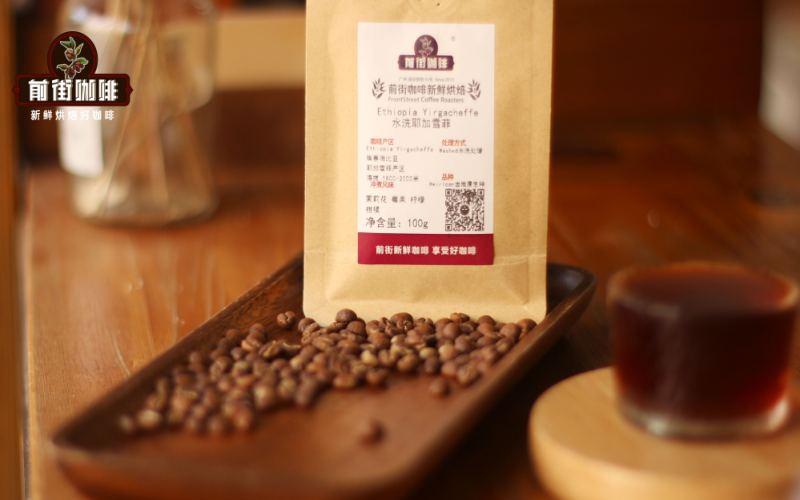
Ethiopian Yirgacheffe Kochere Region Coffee Flavor Analysis and Brewing Suggestions
Kochere is a highly regarded micro-region within the Yirgacheffe growing area, famous for the clean sweetness and complex citrus notes of its washed beans. This article will start from the region's background, production model, and washed processing method, and combine Front Street Coffee's roasting and cupping experience to analyze in detail the flavor characteristics of Kochere coffee, and share V60 pour-over brewing parameters and techniques, giving you a comprehensive understanding of the appeal of this G1 grade bean. [more…]
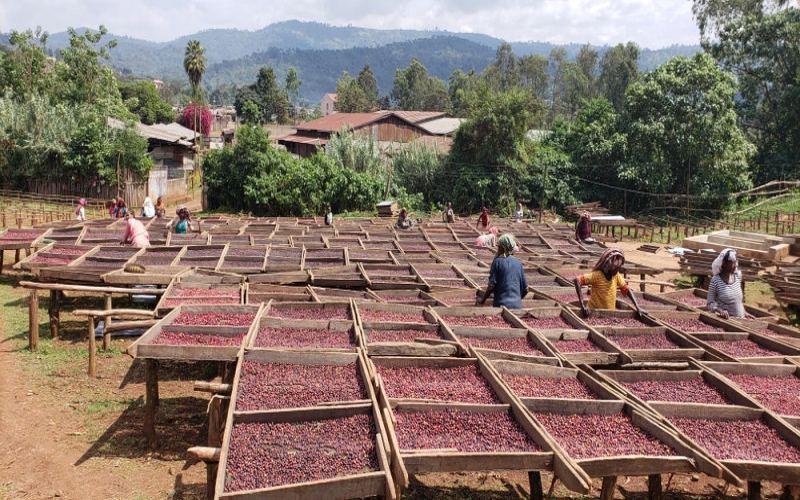
Yirgacheffe Konga Cooperative: A Comprehensive Analysis of Naturally Processed G1 Coffee under Fair Trade and Organic Certification
In the Yirgacheffe region of Ethiopia, the Konga Cooperative is a model organization that holds both fair trade and organic certification, with over two thousand smallholder farmers cultivating high-altitude land in the Gedeo zone. In this article, Front Street Coffee will take you deep into the Konga Cooperative's geographic background, soil advantages, its TOH sun-dried group championship honor, and the complete picture of the sun-dried G1 coffee from the Worka processing station—from cultivation, processing, roasting, cupping, and brewing—so you can experience this bean's complex juice-like mouthfeel and bright acidity. [more…]
Why Is Yirgacheffe Kochere Famous for Its Acidity? A Comprehensive Interpretation of Micro-Region Flavors and Variety Characteristics
Yirgacheffe is one of Ethiopia's most iconic coffee regions, and Kochere is a premium micro-region within it that cannot be overlooked. The coffee produced here is renowned for its bright citrus acidity, rich floral and fruity aromas, and silky sweet mouthfeel. Through cupping, Front Street Coffee has found that Kochere washed beans far outperform ordinary lots in flavor expression, combining both cleanliness and complexity. This article will provide an in-depth introduction to the geographical background of the Kochere region, its production model, washed processing techniques, and Front Street Coffee's roasting and brewing methods, giving you a comprehensive understanding of this captivatingly acidic and aromatic Yirgacheffe Kochere coffee. [more…]
A Complete Guide to Yirgacheffe Konga Cooperative Natural Beans: From Origin Certification to Cupping and Brewing Parameters
The Yirgacheffe region in Ethiopia is home to numerous cooperatives, and the Konga Cooperative is one of the most representative. It is located in the Gedeo Zone at an altitude of over 1,800 meters, holds dual certifications in Fair Trade and organic farming, and won the national championship in the TOH natural category in the 2020 harvest season. This Konga Cooperative Wote Station natural G1, sourced by Front Street Coffee, uses local heirloom varieties and presents a complex flavor profile of citrus, jasmine, honey, and green tea. This article will provide a complete breakdown of this coffee's story, from the cooperative's background, soil characteristics, processing methods, and variety traits to Front Street's roast profile, cupping data, and V60 brewing recipe, offering coffee enthusiasts a practical reference for purchasing and brewing. [more…]
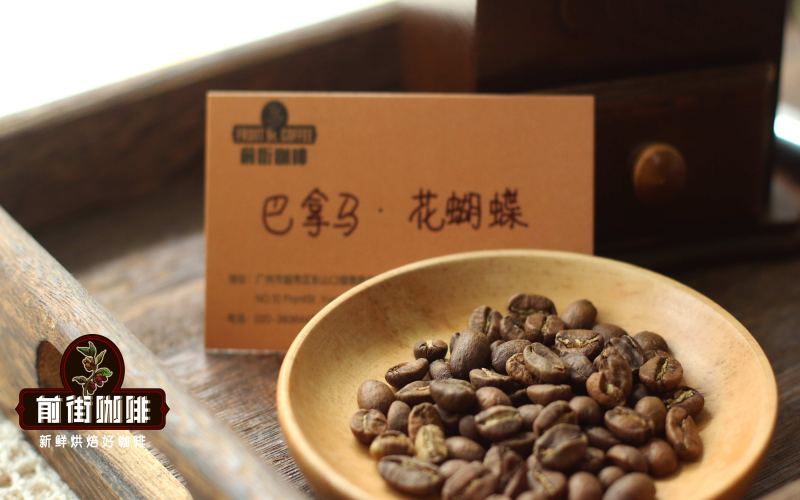
Panama Boquete Butterfly Geisha blend beans, why are they still classified as single-origin coffee?
The Panama Boquete Butterfly coffee beans launched by Front Street Coffee are composed of three varieties: Geisha, Caturra, and Catuai. Customers often ask: can a Geisha blend still be considered single-origin coffee? Starting from the estate history that Front Street Coffee has researched, this article explains the essential difference between this kind of mixed planting and artificial blending, and provides a complete introduction to Butterfly's variety composition, the terroir of the Boquete region, the washed processing flow, the medium-light roast profile, cupping data, and a V60 staged brewing recipe, helping coffee lovers understand this bean's unique positioning and flavor performance. [more…]
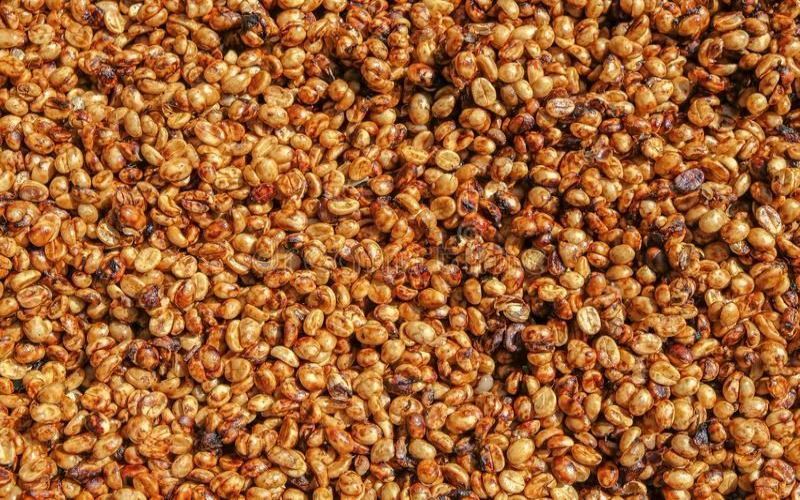
Costa Rican Honey-Processed Coffee Flavor Analysis: Sweet, Prominent Hand-Brewed Beans from the Tarrazú Region and Key Brewing Points
Costa Rican coffee has won the hearts of many coffee lovers with its honey-like sweetness. In this article, Front Street Coffee takes you deep into Costa Rica's core producing regions and the distribution of its eight major coffee-growing areas, with a focused analysis of the Tarrazú region and its representative estate, Mirazu. It also details the unique characteristics of the raisin honey processing method, as well as the variety composition, green bean analysis, roasting curve, cupping performance, and pour-over brewing parameters of Front Street Costa Rica Strawberry Candy Geisha Blend coffee beans, helping you gain a comprehensive understanding of this Costa Rican coffee with prominent sweetness and rich layered flavors. [more…]
How to brew Costa Rican honey-processed coffee? A full breakdown of Front Street Coffee's Geisha blend pour-over parameters and flavor
Costa Rican coffee is famous for its honey-sweet flavor, and honey-processed beans in particular stand out for their sweetness. From the perspective of Front Street Coffee, this article first introduces the characteristics of Costa Rica's producing regions and the superior conditions of Tarrazú, then focuses on the Geisha blend from Mirazu Estate—composed of Geisha, ET47, SL28, and MAICO, using a raisin honey processing method. It then shares in detail the green bean analysis, roasting curve, cupping report, and pour-over parameters, including water temperature, grind size, coffee-to-water ratio, and staged pouring technique. Whether you want to understand the principles of honey processing or want to replicate a pour-over that combines sweetness and floral aroma, you'll find practical reference here. [more…]